The People Behind Ilana
Built Through Vision and Dedication
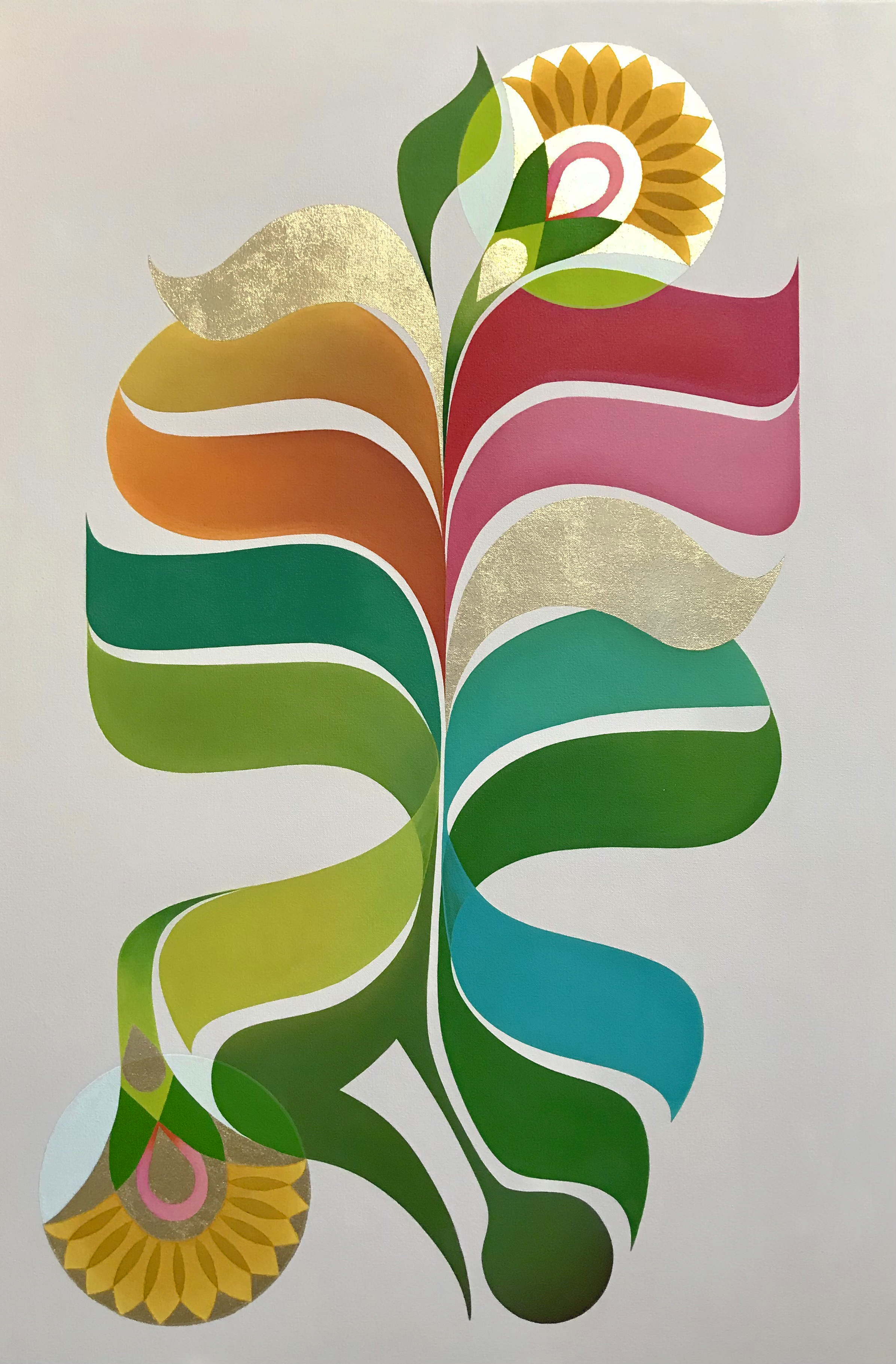
ATRA GIVARKES
“Alap, the first Assyrian alphabet in form of a tree bloomed in flowers and colorful leaves representing seasons and circle of life. An ancient language that survived throughout centuries and it is the source of our identity and existence today and in the future.”
Ilana is more than a website — it is a living home for memories, relationships, history, and future generations. The Ilana team’s dedication, creativity, and belief in both the Ilana vision and its people continue to shape something meaningful for families and communities around the world.
The Ilana vision and development became possible through the contributions of:
- Kanusoft LLC — an innovative software solutions and AI-driven development company specializing in building high-performance, scalable, and user-focused digital products.
- Project Team: Akkad Saadi, Omar Shammas, Marine Krikorian, Aboud Hanna, and Azig Tovmasian.
- Atra Givarkes — graphic designer and artist whose poetic exploration of culture and way of life reintroduces the aesthetic values of language through calligraphic compositions and artistic patterns.
- David Sarkis — Founder of Nimrud. Conceived the Ilana concept and guided its philosophy, content, and user experience in collaboration with the project team.
- Nimrud — a nonprofit organization and project financier dedicated to addressing Assyrian economic and social challenges by supporting initiatives that meet community needs.
Ilana has a special connection to Assyrian history. Around the middle of the second millennium BC, the symbolism of the Assyrian Sacred Tree became recognized during the reign of Tukulti-Ninurta I. With the rise of the Neo-Assyrian Empire, this sacred form spread throughout the Near East and continued to appear into the first millennium BC.
In Assyrian imperial art, the Sacred Tree carried a dual function: it symbolized divine world order and the harmony between heaven, earth, and humanity. The “Tree of Life” is often understood as representing balance, harmony, fertility, wisdom, continuity, and divine order.
One important concept associated with the Sacred Tree is the idea of a central axis, or “pillar of equilibrium” — the stabilizing force that maintains balance within the universe, society, and human life. In Assyrian art, this is commonly represented by the central trunk of the sacred tree, often guarded by winged figures and watched over by divine symbols such as the winged disk associated with Ashur.
The “pillar of equilibrium” symbolically represents:
- Balance between spiritual and earthly life
- Order over chaos
- Harmony within family and society
- Continuity between generations
- Wisdom, justice, and responsibility
- The connection between roots (ancestors), trunk (present life), and branches (future generations)
Inspired by this symbolism, Ilana stands as a bridge between past, present, and future generations — preserving identity, strengthening relationships, and connecting humanity through memory, heritage, and shared stories.